Wednesday, July 23, 2014
Check out the Garden!

Monday, March 3, 2014
Cold Doesn't Stop Us
Black-Seeded Simpson lettuce has a 7-14 day germination. However, most of the lettuce sprouted within 5 days! Two class plantings did not sprout as soon. The students learned that gardening and planting does not always go the way as planned and there may be challenges along the way.
Students and teachers were responsible for watering the plants on Friday. Other staff checked on it during the week. Regardless, every time the students saw someone watering the plants, they were curious how their class’s lettuce was doing and when they could eat it!
The time has come, 49 days later, to taste the lettuce. Students will pick their 3 leaves of lettuce and try the green flavor without any additional dressing. The process will have come full circle: Plant, Grow, Taste!
Monday, October 14, 2013
Garden Visits
In total, we had 86 first graders, 92 second graders, and 17 third graders visit the garden for a quick 30 minute lesson on our senses in the garden. Additionally, two kindergarten classes visited the garden and dug their hands in the soil and spotted the different plants growing.Wednesday, May 16, 2012
Serving Up Education and Inspiration
Monday, May 7, 2012
Be Green Week
A Treat From Our Trees
Wednesday, February 8, 2012
The 5th grade students at Spooner Middle School enjoyed a hands on lesson all about worms. The students will be raising red wiggler worms in the classroom over the following spring. During that time they will be collecting food waste from the lunch room to feed the worms. As the ground thaws and the garden is ready to plant the students will brew up some worm tea to feed the plants. Once the fertilizer is created it will be applied to the graden, helping us grow even more plentiful vegetables this summer.
The students had a fun time exploring the role that worms play in decomposing our waste. They built small worm habitats, adding soil, bedding, and food. The small habitats created a wonderful environment for the students to learn further about worms by touching and feeling them. Some students went so far as to give their worm a name...
Friday, February 3, 2012
First Planting of the Year
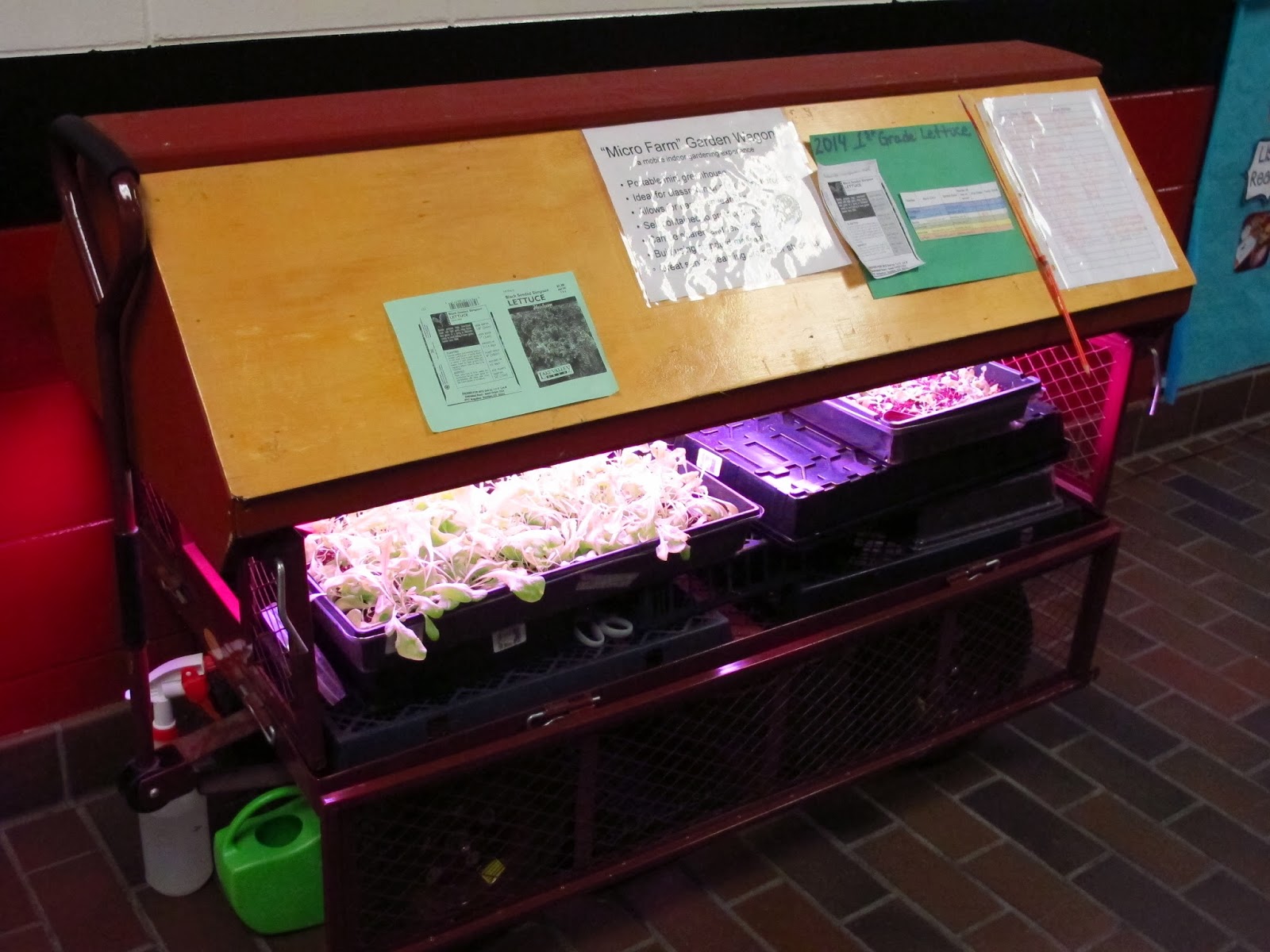
The students planted two different varieties of lettuce, both green and red lettuce. The seeds were planted in flats placed in the grow cart at the elementary school, this will allow the students the ability to continually view the plants as they grow. It will take approximately 35-40 days for the lettuce to fully mature. This is a little shorter than if it were planted outside, since we can optimize the growing conditions indoors. Once the lettuce has fully matured the students will harvest the lettuce to make a salad, which they can all share. This way the students play a significant role in the planting, growing, and harvesting of the leafy vegetables.
Leafy vegetables are important because they have the highest amount of nutrition per calorie of any vegetable. They are an excellent source of Vitamin A, beta-carotene, as the lettuce leafs are a storehouse for the plants photochemicals. Leafy greens are also a rich source of vitamin K, which plays an important role in bone health. This is why it has been suggested from many health groups to have a salad of leafy vegetables with each meal.

Friday, December 2, 2011
Vermicomposting
Worms are wonderful composters and help recycle by turning our food waste and garbage back into useable soil and incredible organic fertilizer. The fertilizer will then be applied directly to the garden in spring to help us grow a greater harvest.
Growth Through Recycling
Thursday, October 6, 2011
Garlic Planting
The students first prepared the soil by loosening it and then making sure it was nice and level. This was done with bare hands, a great way for the students to "play" in the dirt. They then each took a turn planting a clove, with the roots facing down, by pushing it into the loose soil. Once a few rows were planted the garlic was covered with a 6 inch layer of leaves, keeping the soil warm during the winter months. This was topped off with some pine branches to help hold all the leaves in place. It was a wonderful opportunity for the students to learn many aspects of planting and taking care of the plant beds. The middle school High Five students also had the opportunity to plant garlic in the middle school garden. Each of the incredible cloves planted will be harvested next August when they become a nice large bulb themselves.
The students learned that once the garlic is harvested it is hung in a dry place with open air flow. This way the garlic dries out and is ready to be used. Garlic is often added to many of our pastas, pizza, and dishes but as we learned from the Kesslers can be prepared in many ways. It can be roasted to make a sumptuous side dish, or added to vanilla ice cream, or used in baking cookies! The students particulry loved the garlic cookies and ice cream the Kesslers brought to share.
Wednesday, September 28, 2011
What's Growing in the Grow Cart?
Herbs, the fourth grade students planted a wonderful indoor herb garden in the grow cart. While the cold Wisconsin weather keeps us from enjoying a walk through the garden. An indoor herb garden will liven up the halls. While the beautiful green plants are appealing to the eye, the smell of fresh herbs will perk up the nose.
Sunday, September 18, 2011
Notes from the Garden Harvest
We also found a stranger in the garden... Queen Anne's Lace, Daucus carota, also called wild carrot. Though it is edible just like the domesticated carrot, it becomes too woody for consumption as it matures. Weeds are not wanted in any garden but in this case it offered us a wonderful teaching tool. Over the summer students were encouraged to try many new herbs, vegetables, and fruits from the garden. Some students became incredibly adventurous eating almost anything they found. Enthusiasm and curiosity may be a wonderful thing but can lead to dangers. Our edible friend, Daucus carota, though not particularly tasting, is not dangerous. Poison hemlock, Conium maculatum, an invasive plant that has spread across the northern states, can be deadly. This is why it is important not eat any wild plants unless you are an expert in discerning their species. While this is worth while advice for any student, it is wise to heed by all.
Wednesday, September 14, 2011
Garden Harvest and Clean Up
The students got an incredible opportunity to taste many of the vegetables harvested. The carrots, peppers, kohlrabi, and lemon cucumbers were a great hit. Some of the more adventurous students even tried the carrot tops, which are often added to salads. They also took the time to stop and smell the herbs, and try some of them as well. The ground cherries quickly became the star of the show and were fairly well picked clean by the end of the day. A few students stayed behind during their recess period to help finish weighing the vegetables.
Monday, October 5, 2009
Vegetable Soup
The food service staff used ground beef as the base and added tomatoes, green beans, potatoes, carrots & onions. There was enough to feed the entire school. Yum!
Tuesday, September 22, 2009
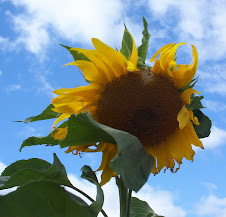
Sunflowers
Tomatoes starting to ripen
Tuesday, August 25, 2009
Harvest Report

Today's final summer garden class was rained out. After the rain Mariah and Mrs. P. were in the garden and harvested as follows:
- 3 cucumbers (one was overripe and turning yellow)
- 25 green peppers (including four "icky" spotted peppers)
There are several crops ready to be harvested when students come back to school next week. There is a head of savoy cabbage, green beans, lettuce, onions, greens and potatoes. Kids will be surprised to see how much has changed over the summer.
Tuesday, July 28, 2009
Cabbage: 3 heads
Green & Yellow Beans: 1 1/4 pounds
Green Pepper: 12 @ 2 3/4 pounds
Kale: 3/4 pound
Lettuce: 3/4 pound
Swiss Chard: 3/4 pound
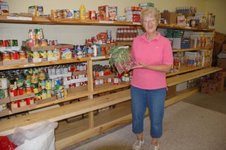
Two of the cabbage heads were split so those went home with one of our volunteers, but the rest got dropped off at the local food pantry.
Thursday, August 28, 2008
Small harvest today
2 big tomatoes and 53 romas for a total of 11 1/4 pounds all sent to the Food Service Department for lunches next week.